Please wait...

{{var product.name}}
has been added to your cart!

Continue shopping
View cart & checkout
{{var product.name}}
has been removed from your cart!

Continue shopping
View cart & checkout

Pipe Tools and Equipment

Pipe Maintenance, Testing and Repair Equipment

RTO provides specialized equipment for pipe blocking, isolation, bypass, testing, inspection, cutting, freezing, thawing, maintenance, and repair. The Pipe category brings together equipment used by municipalities, utilities, sewer and wastewater crews, plumbers, contractors, and industrial maintenance teams working with pipe systems of different sizes and materials.

Available categories include inflatable pipe plugs, mechanical pipe plugs, inflation hoses and controllers, pipe plug accessories, sewer smoke testing equipment, portable pipe cutting systems, and pipe freezing and thawing equipment. Whether the job involves isolating a sewer line, maintaining flow during bypass work, locating sources of sewer inflow, cutting steel or ductile iron pipe, or completing repairs without draining an entire piping system, RTO can help identify equipment suited to the application.

Equipment selection depends on factors such as pipe diameter, pipe material, operating pressure, flow conditions, access limitations, available power source, and the work being performed. Use the individual product pages to review model-specific capacities, pressure ratings, size ranges, connection requirements, included accessories, and rental or purchase availability.

Inflatable Pipe Plugs

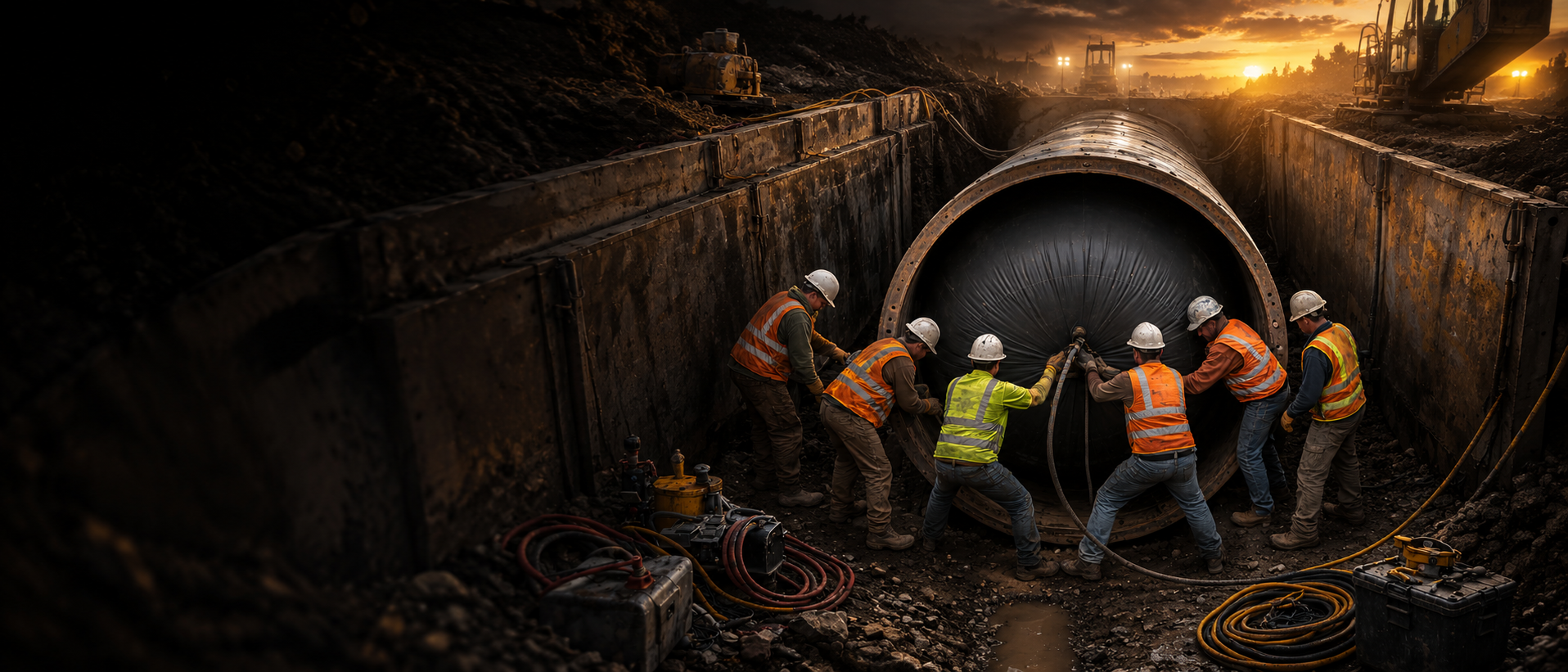
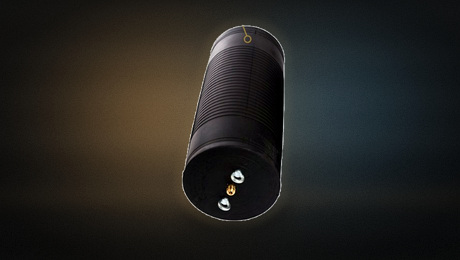
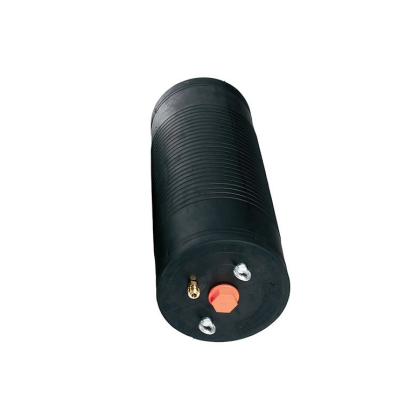
Inflatable pipe plugs are used to temporarily block, isolate, test, or control flow in sewer lines, storm drains, plumbing systems, pipelines, and other pipe applications. RTO offers inflatable pipe plug options for commercial, municipal, industrial, bypass, and large-diameter pipe work.

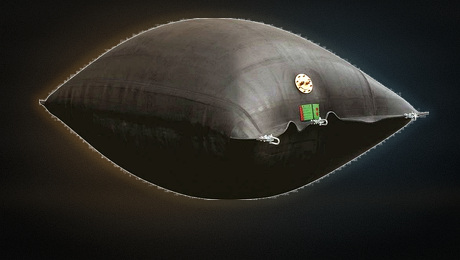
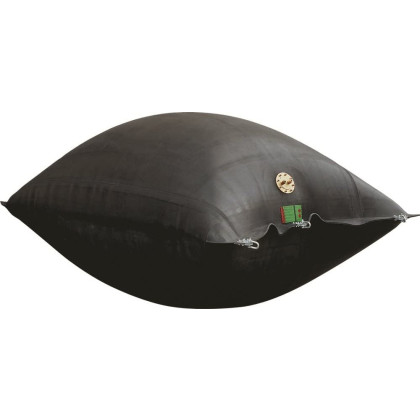
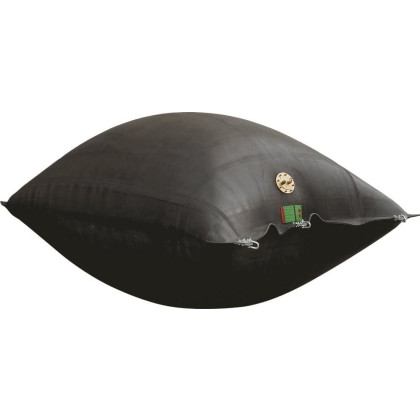
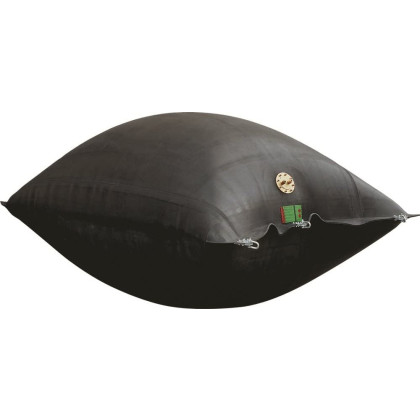
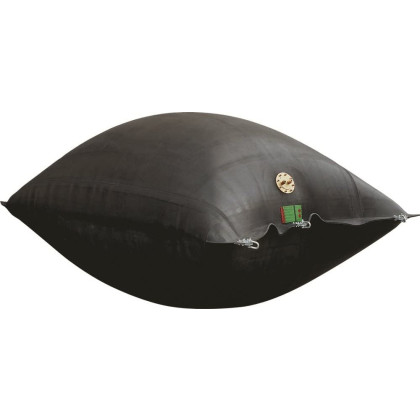
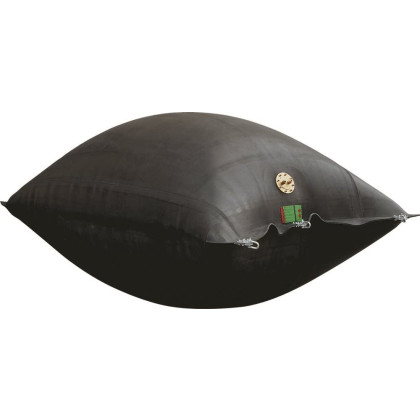
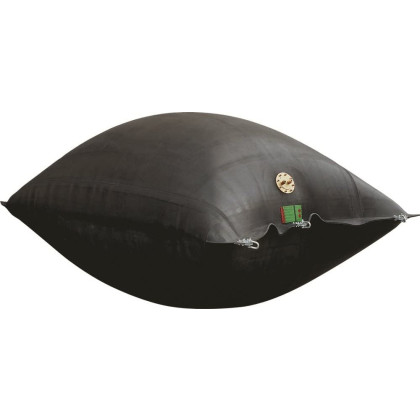
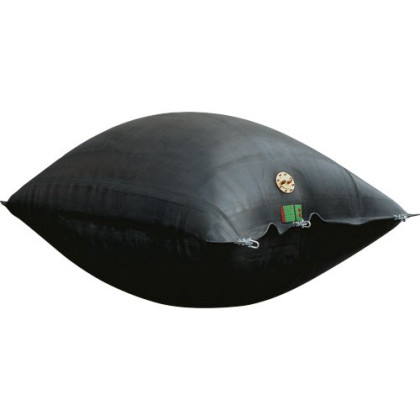
Available configurations include blocking plugs for complete pipe isolation and bypass plugs that allow controlled flow-through access while the plug remains inflated. Large-diameter pillow-style plugs can be folded for insertion through limited access points such as manholes and then positioned and inflated inside the pipe. Municipal-sized plugs support sewer, stormwater, repair, testing, and infrastructure work, while commercial series plugs provide lightweight options for plumbing, maintenance, and light industrial applications.

Bypass configurations include a rigid tube or port through the plug body to support bypass pumping, pressure testing, flow control, monitoring, and maintenance where the line cannot be completely shut down. Selection depends on pipe diameter, operating conditions, required pressure, access limitations, and whether the project requires complete blocking or continued flow.

Mechanical Pipe Plugs

Mechanical pipe plugs provide a reusable option for blocking, sealing, testing, and bypassing pipe systems without the need for inflation equipment. RTO offers Cherne® mechanical pipe plugs for plumbing, sewer, drain, waste and vent applications, stack testing, cleanouts, and low-pressure water or air testing.

Available designs include cleanout plugs for damaged threads, economical plugs for open-ended pipe blocking, end-of-pipe and inside-of-pipe gripper plugs, hub-fit models for bell-end pipes and fittings, bypass plugs for controlled flow-through applications, chemical-resistant plugs, and tool-free mechanical plugs for temporary or permanent sealing.

With multiple materials, sealing configurations, and installation styles available, mechanical pipe plugs provide a practical option for contractors, plumbers, municipalities, maintenance crews, and industrial facilities that need secure pipe isolation, testing, or flow control across a range of applications.

Pipe Plug Hoses, Controllers and Accessories

Pipe Plug Hoses, Controllers, and Accessories from RTO support pipe isolation, testing, bypass, maintenance, inflation, protection, and flow-control work. This category includes the equipment needed to connect, inflate, monitor, protect, and support inflatable pipe plugs during use.

Typical products include pipe plug inflation hoses, controllers, gauges, protective rubber sleeves, connection accessories, and other plug support equipment. Protective sleeves can help reduce wear when inflatable plugs are used in rough or abrasive pipe conditions, while hoses and controllers allow crews to inflate plugs and manage pressure from a safer working position.

Proper accessory selection depends on the plug model, inflation pressure, hose length, connection type, pipe diameter, operating environment, and job site access. RTO can help review plug size, hose requirements, controller compatibility, inflation needs, and related accessories for municipal, utility, sewer, plumbing, and industrial pipe work.

Smoke Testing

Sewer smoke testing is used to help locate sources of surface water inflow, improper connections, and defects in sanitary sewer systems. The process introduces visible smoke into a sewer system so crews can identify where smoke escapes through defects or appears through improper connections.

Smoke testing helps municipalities and sewer maintenance teams identify problems that can contribute to wet-weather inflow and sanitary sewer overflows. Because results are visible during testing, crews can locate many issues quickly and prioritize follow-up inspection, repair, or corrective work.

Common sources of sewer inflow identified through smoke testing include roof downspouts, abandoned sewer lines, cross-connected storm or sanitary lines, yard and foundation drains, unconnected sewer lines, leaking manholes, broken laterals, cellar drains, and sump pump connections.

RTO offers Superior® smoke testing equipment and supplies for sewer inspection, inflow investigation, municipal maintenance, and wastewater collection system work.

Pipe Cutting

Pipe cutting equipment is used across utility, municipal, industrial, fabrication, plumbing, shipbuilding, maintenance, and pipeline applications. RTO offers portable pipe cutting systems for different pipe materials, diameters, access conditions, and job site requirements.

Available options include pneumatic chain saw systems for materials such as ductile iron and cast iron, hydraulic pipe cutting machines for steel, ductile iron, non-ferrous metal, HDPE, plastic, cement, and concrete pipe, and portable cutting machines designed for stainless steel and acid-resistant pipe.

These systems support utility repair, municipal pipe work, industrial maintenance, process piping, fabrication, shipbuilding, HVAC work, pipeline installation, and other applications where controlled and portable pipe cutting is required. Tool selection depends on pipe material, outside diameter, wall thickness, available clearance, required cut quality, and power source.

Pipe Freezing

Pipe freezing and thawing tools help crews complete repair and maintenance work without unnecessary draining, demolition, excavation, or open-flame thawing methods.

Pipe freezing systems create a temporary frozen plug inside compatible water-filled piping so a section can be cut, repaired, modified, or fitted with a replacement valve while reducing the need to drain or shut down the entire system. These systems are commonly used for water lines, sprinkler systems, hot water systems, valve replacement, plumbing repair, commercial facility maintenance, and industrial water line work.

Pipe thawing equipment is used to restore flow through frozen metal pipe systems without tearing up floors, opening walls, digging around frozen underground pipe, or using hazardous open flames. Portable systems such as the Hot-Shot 320 support plumbers, municipalities, utilities, property maintenance teams, and service contractors responding to frozen pipe problems.

The right freezing or thawing method depends on pipe material, diameter, system contents, flow conditions, access, and the specific repair or thawing objective.

Common Pipe Applications

RTO pipe tools and equipment support work across:

  • Sewer maintenance
  • Stormwater systems
  • Municipal infrastructure
  • Plumbing repair
  • Utility maintenance
  • Wastewater collection systems
  • Pipe isolation
  • Bypass pumping support
  • Pressure testing
  • Flow control
  • Inflow investigation
  • Pipe repair
  • Industrial maintenance
  • Process piping
  • Pipe fabrication
  • Pipeline installation
  • Frozen pipe response

Selecting the Right Pipe Equipment

The right pipe equipment depends on the type of work being performed and the conditions inside and around the pipe system.

For pipe plugs, important considerations include pipe diameter, pipe material, plug type, required pressure, access conditions, blocking versus bypass needs, and inflation equipment.

For smoke testing, crews should consider sewer system layout, access points, testing area, and the type of inflow or connection problem being investigated.

For pipe cutting, important factors include pipe material, outside diameter, wall thickness, available clearance, required cut quality, power source, and whether the work is being completed in the field or in a fabrication environment.

For pipe freezing and thawing work, selection depends on pipe material, pipe diameter, system contents, operating conditions, access, and whether the goal is temporary isolation or restoring flow through a frozen line.

RTO can help review the application, pipe conditions, equipment requirements, and related accessories before rental or purchase.

Pipe Tools and Equipment from RTO

RTO helps contractors, municipalities, utilities, plumbers, maintenance crews, and industrial teams source pipe tools and equipment for rental or purchase. Whether the job involves sewer isolation, bypass pumping, pipe testing, smoke testing, cutting, freezing, thawing, or general pipe maintenance, our team can help review available options and match the equipment to the work being performed.

Tell us about the pipe diameter, pipe material, site access, flow conditions, required pressure, cutting requirements, or repair objective. RTO can help identify equipment and accessory options for short-term projects, planned maintenance, emergency repair, and longer-term infrastructure work.

Category Questions

ASC
What are inflatable pipe plugs used for?
How do inflatable pipe plugs work?
What is the difference between blocking pipe plugs and bypass pipe plugs?
Are inflatable pipe plugs available for chemical or corrosive environments?
What makes SAVA inflatable pipe plugs different?
How do I choose the correct Pipe?
What should be checked before installing Pipe?